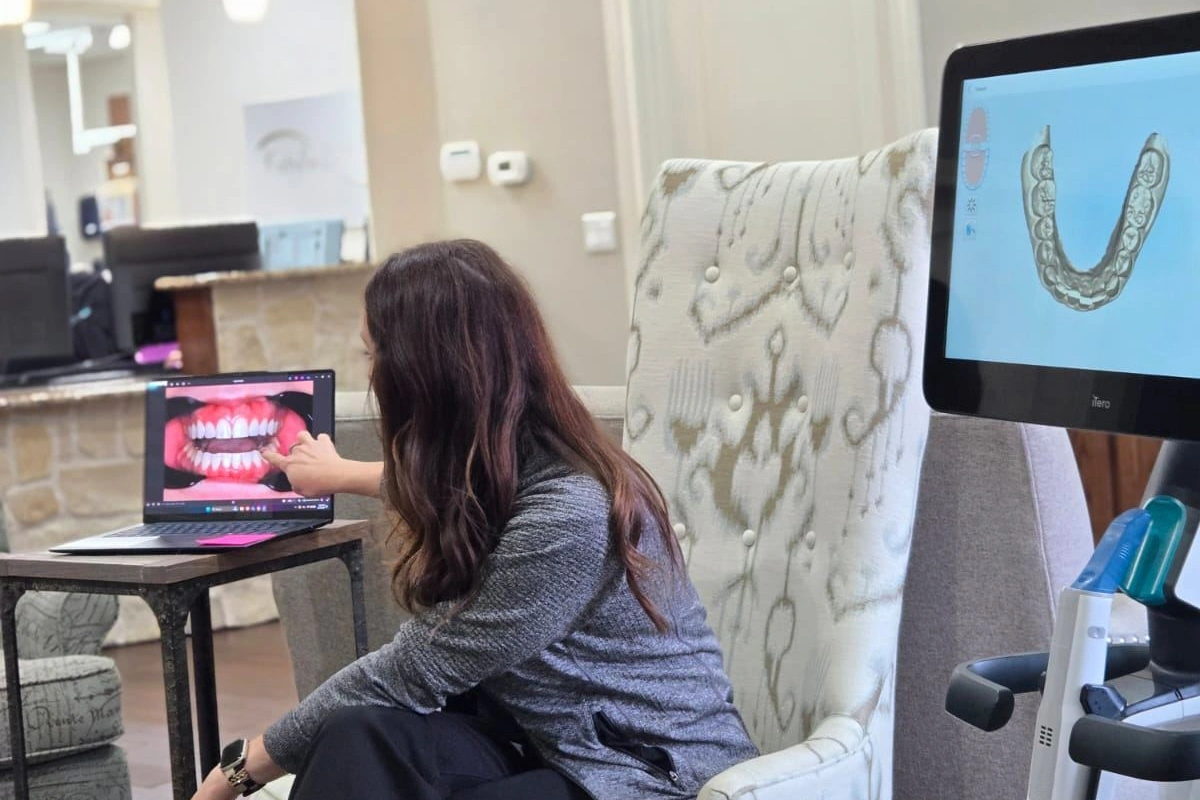
Virtual Smile Consult

Transforming Dental Experiences: The Comfort and Safety of Sedation Dentistry at Katy Smile Design

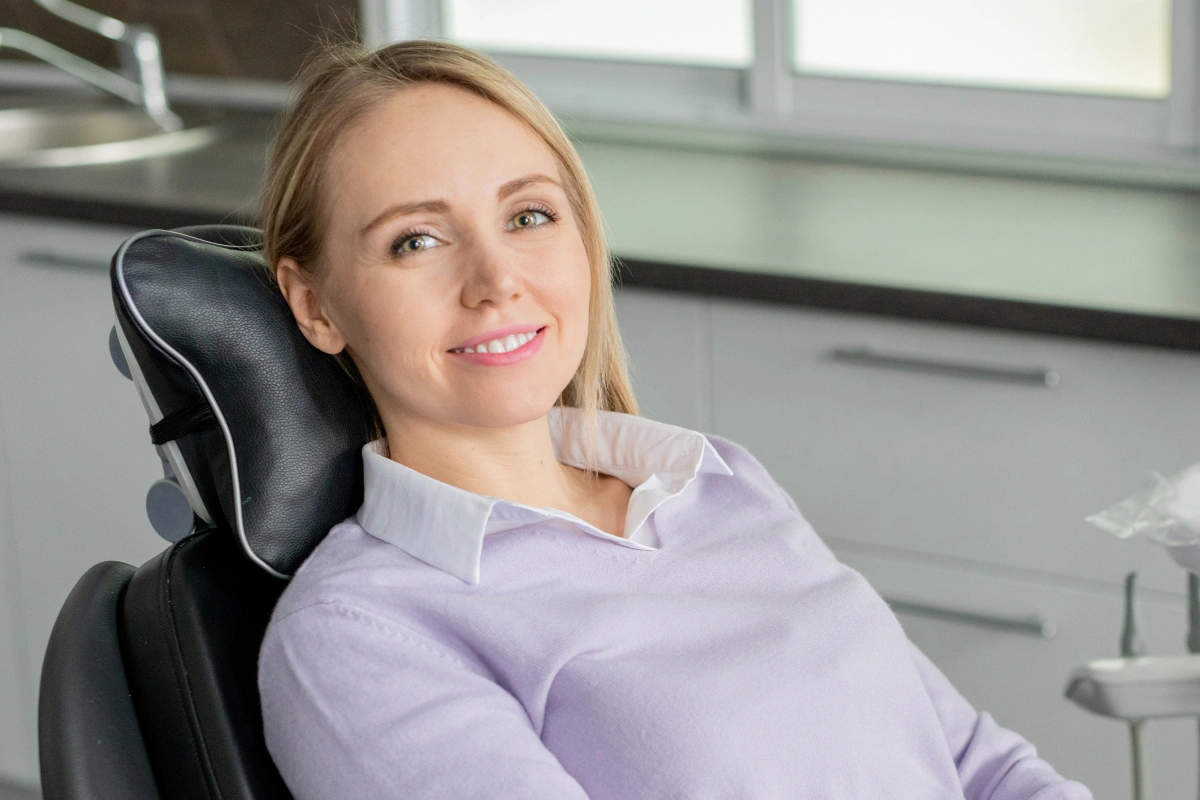
For many patients, the prospect of sitting through a dental procedure can be as nerve-wracking as facing an unknown challenge. In recent years, however, sedation dentistry has emerged as a transformative approach that not only minimizes anxiety but also enhances comfort throughout even the most complex procedures. By tailoring sedation methods to each patient’s needs—from mild relaxation techniques to deeper forms of anesthesia—we create environments where stress is minimized and focus can be placed solely on achieving optimal outcomes.
At the heart of this practice lies a spectrum of carefully administered options that address both physical discomfort and psychological unease. Whether it’s the gentle influence of nitrous oxide, the predictable calm brought by oral sedatives, or the controlled state achieved through IV administration, every method is chosen with precision and care. Our protocols are built on rigorous evaluations and continuous monitoring, ensuring that each patient experiences a secure and stress-free environment during treatment.
Insights from our experienced team further underscore why sedation is not merely an added convenience but an integral component of modern dentistry. When anxiety dissipates under the watchful care of skilled practitioners, patients are better able to relax and engage with their treatment plan. This commitment to personalized comfort—backed by both advanced techniques and heartfelt patient testimonials—illustrates our unwavering dedication to making every dental visit as positive and effective as possible.
Demystifying Sedation Dentistry: What You Need to Know
Sedation dentistry has revolutionized the way we approach oral health, offering a range of options that cater to diverse patient needs. From mild anxiety relief to deep sedation for extensive procedures, each type is designed to enhance comfort and ensure safety throughout treatment.
The first step in understanding sedation dentistry involves recognizing its various forms. Nitrous oxide, commonly known as laughing gas, provides a gentle lift from anxiety while remaining fully conscious. For those seeking deeper relaxation without total unconsciousness, oral sedatives offer a reliable solution. IV sedation allows for precise control over the level of sedation, making it ideal for more complex treatments.
General anesthesia, reserved for extensive procedures or patients with severe dental phobias, induces a state of complete unconsciousness and is administered in a controlled setting. Regardless of the type chosen, safety measures are paramount. Thorough evaluations before treatment ensure that each patient’s unique needs are met, while continuous monitoring during procedures guarantees a secure environment.
At Katy Smile Design, we understand that every patient’s experience is unique. Our team of professionals is committed to delivering personalized care through tailored sedation options. We work closely with you to determine the best approach based on your specific needs and preferences, ensuring that each visit is as comfortable and stress-free as possible.
Sedation dentistry offers numerous benefits for both patients and practitioners alike. For those who experience anxiety or fear related to dental procedures, sedation provides a way to undergo necessary treatments without discomfort or distress. This not only improves the overall patient experience but also enhances treatment outcomes by allowing for more effective care delivery.
For practitioners, sedation dentistry enables better control over the treatment environment and reduces the risk of complications associated with anxious patients. By creating a calm and relaxed setting, we can focus on delivering high-quality dental services without interruption or hesitation from patient anxiety.
Types of Sedation: Tailoring Comfort to Your Needs
Sedation dentistry is not one-size-fits-all; it encompasses various methods designed to address different levels of anxiety and procedural requirements. Understanding these options can help patients make informed decisions about their dental care.
The most common type of sedation is nitrous oxide, often referred to as laughing gas. This mild sedative is inhaled through a mask placed over the nose, providing quick relief from anxiety while allowing patients to remain fully conscious and responsive throughout their procedure. Nitrous oxide is particularly beneficial for those who experience mild to moderate dental phobias or need help relaxing during routine check-ups.
For individuals requiring deeper relaxation without total loss of consciousness, oral sedatives offer an effective solution. These medications are typically taken in pill form before the appointment and work by inducing a state of calm and drowsiness. Oral sedation is ideal for patients undergoing more complex treatments or those who prefer not to be fully aware during their procedure.
IV sedation involves administering sedative drugs directly into the bloodstream through an intravenous line. This method allows for precise control over the level of sedation, enabling practitioners to adjust dosages as needed throughout treatment. IV sedation is commonly used in longer procedures or when patients require a deeper state of relaxation.
Safety First: Ensuring a Secure Sedation Experience
Safety is our top priority when administering sedation dentistry. We understand that undergoing dental treatments can be stressful, and we are committed to providing a secure environment where patients feel at ease throughout their visit.
The foundation of our safety protocols begins with comprehensive evaluations before any procedure. Our experienced team conducts thorough assessments of each patient’s medical history, current medications, and overall health status. This ensures that the chosen sedation method is both safe and effective for the individual.
During treatment, continuous monitoring is essential to maintaining a secure environment. We utilize advanced technology such as pulse oximeters and blood pressure monitors to track vital signs in real-time. Our skilled practitioners remain vigilant throughout procedures, ready to adjust care plans or intervene if necessary.
Our commitment extends beyond the procedure room. Post-treatment care involves detailed instructions for recovery at home, including guidelines on managing any residual effects of sedation and recognizing potential complications. By providing comprehensive support before, during, and after treatment, we ensure that each patient’s experience is as safe and comfortable as possible.
Expert Insights: Why Sedation is Integral to Modern Dentistry
Drs. Catherine Wilder and Lauren Shepard, the experienced practitioners at Katy Smile Design, offer valuable insights into why sedation dentistry has become an essential component of modern dental care. Their expertise highlights how sedation not only alleviates anxiety but also enhances treatment outcomes for patients.
“Sedation dentistry allows us to address complex oral health issues more effectively,” explains Dr. Catherine Wilder. “When patients are relaxed and comfortable, we can focus on delivering high-quality care without interruptions from anxiety or discomfort.”
Dr. Lauren Shepard emphasizes the importance of personalized treatment plans: “Each patient’s needs are unique, and sedation dentistry enables us to tailor our approach accordingly. By offering a range of options—from mild relaxation techniques to deeper forms of anesthesia—we can ensure that every individual receives care that aligns with their specific requirements.”
Sedation dentistry is integral to modern dental practices for several reasons. It allows practitioners to perform complex procedures more efficiently, reducing the risk of complications and improving overall outcomes. For patients, sedation provides a way to undergo necessary treatments without fear or discomfort.
Sedation dentistry supports long-term oral health by encouraging regular visits. Patients who experience anxiety related to dental care are more likely to avoid appointments, leading to delayed treatment and potential deterioration in oral health. By making these visits stress-free, sedation helps maintain consistent dental check-ups and timely interventions when needed.
Additionally, sedation dentistry aligns with the growing trend towards patient-centered care. It reflects a commitment to addressing individual needs and preferences, fostering stronger relationships between patients and practitioners. This holistic approach not only improves treatment outcomes but also enhances overall satisfaction with dental services.
Your Next Steps: Embracing a Stress-Free Dental Experience
If you’ve been putting off essential dental care due to anxiety or fear, sedation dentistry offers a solution that can transform your experience. By choosing a practice like Katy Smile Design, you are taking the first step towards achieving optimal oral health in an environment where comfort and safety are paramount.
Our team is here to support you throughout every stage of treatment, from initial consultations to post-procedure follow-ups. We understand that making the decision to seek dental care can be challenging, but we are committed to ensuring your journey with us is as smooth and stress-free as possible.
To begin your path towards a healthier smile, reach out to Katy Smile Design today. Our team will guide you through scheduling an appointment and discuss any concerns or questions you may have along the way. With sedation dentistry options tailored just for you, we are confident that you’ll experience dental care like never before.
Frequently Asked Questions
What is sedation dentistry, and how does it benefit patients?
Sedation dentistry at Katy Smile Design refers to the use of medications to help anxious or fearful patients relax during dental procedures. This technique allows us to provide a more comfortable experience for our patients who might otherwise avoid visiting the dentist due to anxiety.
Some benefits of sedation dentistry include:
- Reduced anxiety and stress
- Minimal memory of the procedure
- Less discomfort during treatment
- Ability to complete more dental work in a single visit
What types of sedation dentistry are offered at Katy Smile Design?
We offer various forms of sedation to cater to our patients’ unique needs and preferences. Here’s an overview:
- Nitrous Oxide (Laughing Gas): A mild sedative that allows you to remain awake but relaxed.
- Oral Sedatives: Prescription medication taken by mouth before the appointment, providing a deeper level of relaxation than nitrous oxide alone.
- IV Sedation: Medication administered intravenously (into the vein) for a more controlled and adjustable sedative effect.
We also offer general anesthesia in some cases, typically when performing complex procedures or for patients with special needs.
Is sedation dentistry safe? What are the risks?
When administered by qualified professionals like our team at Katy Smile Design, sedation dentistry is generally very safe. We follow strict protocols and monitor your vital signs throughout the procedure to ensure your safety.
The risks associated with sedation dentistry are minimal but may include:
- Nausea or vomiting
- Headache
- Dizziness
- In rare cases, allergic reactions
We carefully screen our patients before administering any sedative to minimize these risks.
What should I expect during my sedation dentistry appointment?
On the day of your appointment, we’ll ask you to arrive about an hour early to fill out some paperwork and prepare for your procedure. Here’s a step-by-step overview of what to expect:
- Upon arrival, our team will greet you and help you get comfortable in one of our treatment rooms.
- If you’ve chosen oral sedation or nitrous oxide, we’ll administer the medication at this time. For IV sedation, the medication will be administered once you’re comfortably settled in the chair.
- The dentist will explain each step of the procedure and begin your dental work while you remain relaxed and comfortable.
- Throughout the process, our team will monitor your vital signs closely to ensure your safety and make any necessary adjustments to your sedation level.
After the procedure, we’ll take some time to help you recover before sending you home with a trusted escort. It’s essential to have someone drive you home after sedation dentistry.
How will I feel after my sedation dentistry appointment?
After your procedure, it’s normal to feel groggy and disoriented for a short time as the sedative wears off. This experience varies from person to person, depending on the type and dosage of medication used.
You may also experience some temporary side effects like:
- A dry mouth
- Headache
- Dizziness
Our team will provide you with after-care instructions to help manage any discomfort and promote a speedy recovery.
Can children benefit from sedation dentistry?
Yes, sedation dentistry can be an excellent option for anxious or fearful children who need dental treatment. We often use nitrous oxide (laughing gas) for younger patients, as it allows them to remain awake and cooperative while feeling relaxed.
In some cases, we may recommend oral sedatives or even general anesthesia for more extensive procedures or when dealing with special needs patients. Our pediatric dentistry team will evaluate your child’s unique situation and discuss the best options for their care.
Can I drive home after my sedation dentistry appointment?
No, it is not safe to drive or operate heavy machinery immediately after receiving dental sedation. The sedative effects may linger, affecting your coordination and judgment.
We require that all patients have a trusted escort accompany them to their appointment and remain with them until the sedative wears off completely. This person will be responsible for driving you home and monitoring your recovery.
What if I need additional dental work after my sedation dentistry appointment?
If you require further dental treatment, we’ll discuss scheduling a follow-up appointment at our Katy Smile Design office. Since the sedative effects may cause temporary amnesia, it’s essential to make arrangements for another escort if you’ll need sedation again.
Our team will work with you to ensure that your experience is as comfortable and stress-free as possible during any subsequent visits.
How do I prepare for my sedation dentistry appointment?
To ensure a smooth and safe dental experience, please follow these preparation guidelines before your sedation dentistry appointment:
- Avoid eating or drinking anything (including water) for at least 6 hours before your procedure.
- Arrange for a trusted escort to accompany you to your appointment and remain with you until the sedative wears off completely.
- Wear comfortable, loose-fitting clothing.
- Remove nail polish and any jewelry that could interfere with monitoring equipment or procedures.
- Inform us of any medications, vitamins, or herbal supplements you’re taking to avoid any potential interactions with the sedation medication.
Can I have something to eat or drink after my sedation dentistry appointment?
Yes, once the sedative effects have worn off and you feel ready to do so, it’s generally safe to have a light meal or beverage. However, we recommend avoiding hot foods and drinks initially, as your mouth may be numb or sensitive.
Stick to soft, easily chewable foods for the first 24 hours after your procedure, and stay hydrated by sipping water regularly.