Virtual Smile Consult

Unlocking Optimal Oral Health: Home Care Meets Professional Expertise

Mouthwash and dental floss aren’t just tools to help your breath smell nice; they are important parts of an oral hygiene routine that keeps your mouth healthy, clean, and free from harmful bacteria. Daily brushing and flossing at home is the foundation of good dental care, but it’s only part of the story.
Regular professional cleanings at Katy Smile Design complement your home routine by removing plaque and tartar buildup that regular toothbrushing can’t reach. This ensures optimal oral health between visits, while also allowing us to identify any potential issues early on for more effective treatment. Together, these two components work in tandem with each other to provide a comprehensive approach to maintaining healthy teeth and gums.
Let’s explore the importance of regular professional cleanings, how they complement your home care routine, and what you can do at home to keep your mouth healthy and clean between visits. We’ll also debunk some common dental myths, and discuss the long-term benefits of maintaining good oral hygiene for a brighter smile.
The Symbiosis of Daily Dental Routines and Professional Cleanings
The American Dental Association recommends that you visit your dentist at least twice per year. These regular checkups are essential to maintain optimal oral health, as they allow us to monitor the condition of your teeth and gums over time.
During a professional cleaning, we remove plaque buildup from hard-to-reach areas such as between your teeth or under your gumline using specialized tools designed for this purpose. Plaque is a sticky film that contains bacteria which feed on leftover food particles in the mouth, producing acids that erode tooth enamel and cause cavities.
If left untreated, plaque can harden into tartar, which requires professional intervention to remove. Tartar buildup can lead to gum disease, bad breath, and other serious oral health problems if not addressed promptly. Regular professional cleanings are essential for preventing these issues from developing in the first place.
Mastering the Art of Brushing: Techniques for Every Tooth
Brushing your teeth twice a day is an important part of maintaining good oral hygiene, but it’s not enough to simply move a toothbrush across your teeth. Proper brushing techniques are essential for effectively removing plaque and food particles from all surfaces of the teeth.
The American Dental Association recommends using a soft-bristled toothbrush with fluoride toothpaste to gently brush the outer surfaces, inner surfaces, and chewing surfaces of your teeth in circular motions. Be sure to hold the toothbrush at a 45-degree angle towards the gums while brushing along the gumline.
Don’t forget about your tongue! It’s also important to give it a gentle scrubbing with your toothbrush or a tongue scraper, as bacteria can accumulate there and contribute to bad breath. Be sure to replace your toothbrush every three to four months or sooner if the bristles become frayed.
Flossing: The Unsung Hero in Oral Hygiene
Despite being an essential part of a good oral hygiene routine, flossing is often overlooked or improperly done. Flossing removes food particles and plaque from areas where your toothbrush can’t reach, such as between teeth and under the gumline.
To get the most out of flossing, use about 18 inches of dental floss wound around each middle finger, leaving an inch or two to work with. Hold the floss taut between your thumbs and index fingers, sliding it gently up-and-down between each tooth using a sawing motion.
Curve the floss around the base of each tooth, making sure to go beneath the gumline. Never snap the floss down into your gums; instead, use gentle motions to avoid injuring delicate tissue.
Beyond Brushing and Flossing: Additional Tools for Oral Health
While brushing and flossing are essential components of any good oral hygiene routine, there are additional tools available that can help enhance their effectiveness. Mouthwash, interdental brushes, and water flossers all offer unique benefits when it comes to maintaining optimal oral health.
Mouthwash helps rinse away food particles and bacteria from hard-to-reach areas in the mouth while freshening breath. Interdental brushes are small brushes designed specifically for cleaning between teeth, making them an ideal choice for those with braces or wide gaps between their teeth. Water flossers use pressurized water streams to dislodge plaque buildup and food particles from between teeth and along the gumline.
Each of these tools serves a unique purpose in promoting optimal oral health; however, it’s important not to rely on them exclusively for cleaning your teeth. Instead, incorporate them into your daily routine as complementary measures alongside regular brushing and flossing.
Debunking Dental Myths: Separating Fact from Fiction
There are many misconceptions about dental care that can lead people astray when it comes to maintaining good oral hygiene. Let’s debunk some of the most common myths surrounding dental health.
“Mouthwash alone can replace brushing and flossing.” While mouthwash is an effective tool for killing bacteria and freshening breath, it should not be used as a substitute for regular brushing and flossing. Mouthwash does not physically remove plaque or food particles from the surface of teeth.
“If my gums bleed when I brush, I should avoid flossing.” Bleeding gums are often a sign of gingivitis, an early stage of gum disease caused by plaque buildup along the gumline. While it may be uncomfortable at first, continuing to gently floss and brush can help remove the irritant (plaque) and allow your gums time to heal.
The Role of Regular Dental Check-Ups in Preventative Care
Regular dental check-ups are an essential component of preventative care. During these visits, we thoroughly examine your teeth and gums for any signs of decay or disease, allowing us to catch potential issues early on before they become more serious problems down the line.
In addition to professional cleanings, regular check-ups also involve comprehensive examinations that include digital x-rays, oral cancer screenings, and assessments of existing dental work such as fillings or crowns. These examinations help ensure that your smile stays healthy and strong for years to come.
By combining regular at-home care with routine professional cleanings, you can maintain optimal oral health while preventing more serious issues from developing in the future. Don’t wait until something goes wrong; take proactive steps today towards better dental hygiene habits!
Katy Smile Design: Your Partner in Optimal Oral Health
At Katy Smile Design, we understand that maintaining good oral hygiene requires a combination of at-home care and regular professional cleanings. Our team is dedicated to providing exceptional dental care tailored to meet your unique needs.
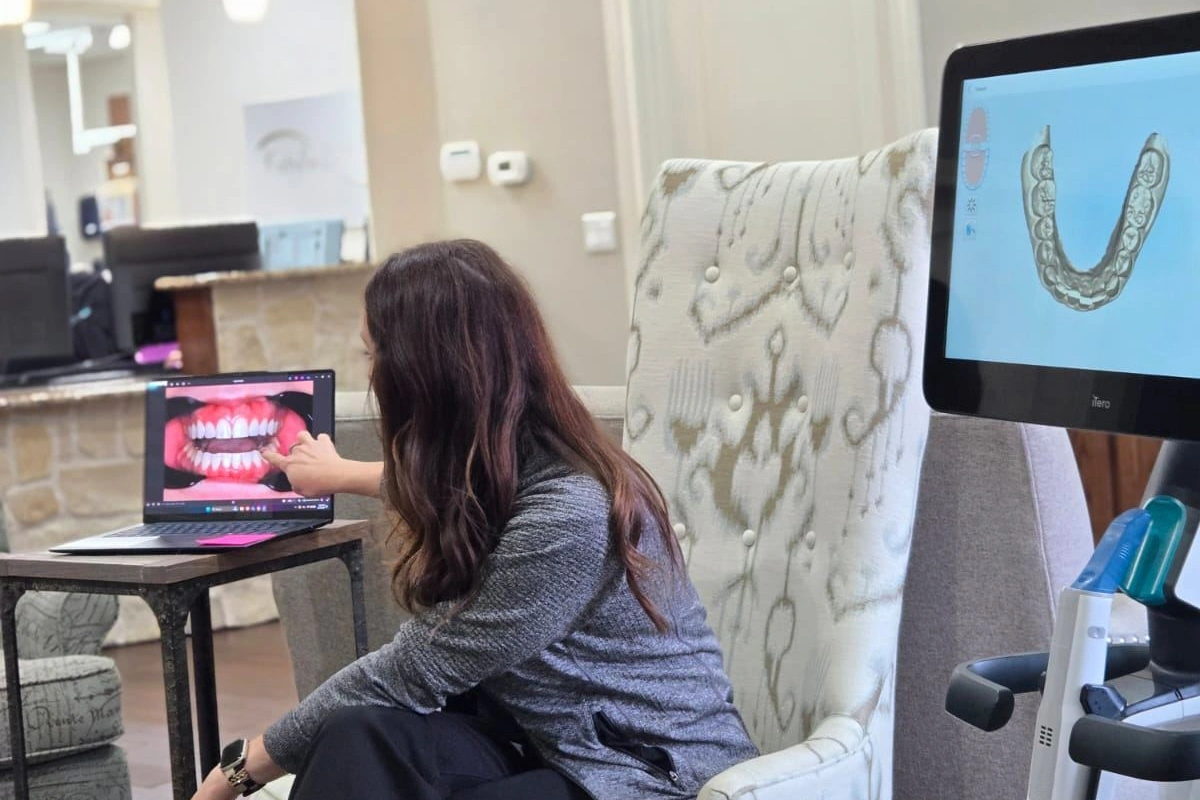
From general dentistry services like routine cleanings and fluoride treatments to advanced restorative procedures such as crowns or bridges, our comprehensive range of services ensures that you receive the highest quality care possible. We utilize state-of-the-art technology, including digital impressions, radiography, intraoral cameras, laser dentistry, and OralID® for cancer screening.
Whether you’re looking for preventative care or advanced restorative treatments, trust Katy Smile Design to support your journey towards optimal oral health. Contact us today to schedule an appointment or learn more about how we can help enhance your smile!